
Software developers spend their careers anticipating failures, building fallback mechanisms, and ensuring systems remain stable when things go wrong. The same principles that govern robust code architecture apply remarkably well to managing roof emergencies at home. Understanding how to handle exceptions in both domains can save you significant time, money, and stress when unexpected problems arise.
The Try-Catch Block of Home Maintenance
In programming, a try-catch block allows code to attempt an operation while gracefully handling any errors that occur. Home maintenance follows a similar pattern. Regular roof inspections represent your “try” block—the proactive attempt to identify issues before they escalate. When problems surface despite preventive measures, you enter the “catch” phase where immediate response becomes critical.
The key difference between a minor repair and catastrophic damage often lies in detection speed. A small leak discovered early might require simple flashing repair, while the same leak left unattended can compromise structural integrity, damage insulation, and create mold problems. This mirrors how unhandled exceptions in production code can cascade into system-wide failures.
Logging and Monitoring Your Roof’s Health
Developers rely on comprehensive logging to track application behavior and identify anomalies. Your roof deserves similar attention. After major weather events, document any changes you observe: missing shingles, water stains on ceilings, debris accumulation in gutters, or sagging areas. Keep dated records with photographs when possible.
This documentation serves multiple purposes. It helps you recognize patterns over time, provides valuable information to repair professionals, and creates a maintenance history that can prove useful for insurance claims or property sales. Think of it as your roof’s error log—a chronological record that reveals trends and helps predict future failures.
When to Call Professional Exception Handlers
Experienced programmers know when to debug issues themselves and when to escalate to specialists. The same judgment applies to roof problems.
While cleaning gutters or replacing a few shingles might fall within homeowner capabilities, structural concerns, extensive leak damage, or work requiring safety equipment warrant professional intervention. Attempting complex repairs without proper expertise can void warranties, create safety hazards, and ultimately cost more than hiring qualified contractors from the start. For homeowners seeking reliable expertise in addressing roofing emergencies and preventive maintenance, Modern Solutions Roof Repair offers comprehensive services that treat each project with the systematic thoroughness that complex problems demand.
Implementing Preventive Measures
The best exception handling strategy is preventing exceptions from occurring. In software, this means input validation, defensive programming, and testing. For roofs, prevention involves:
- Seasonal inspections before and after severe weather periods
- Prompt removal of debris, moss, and vegetation
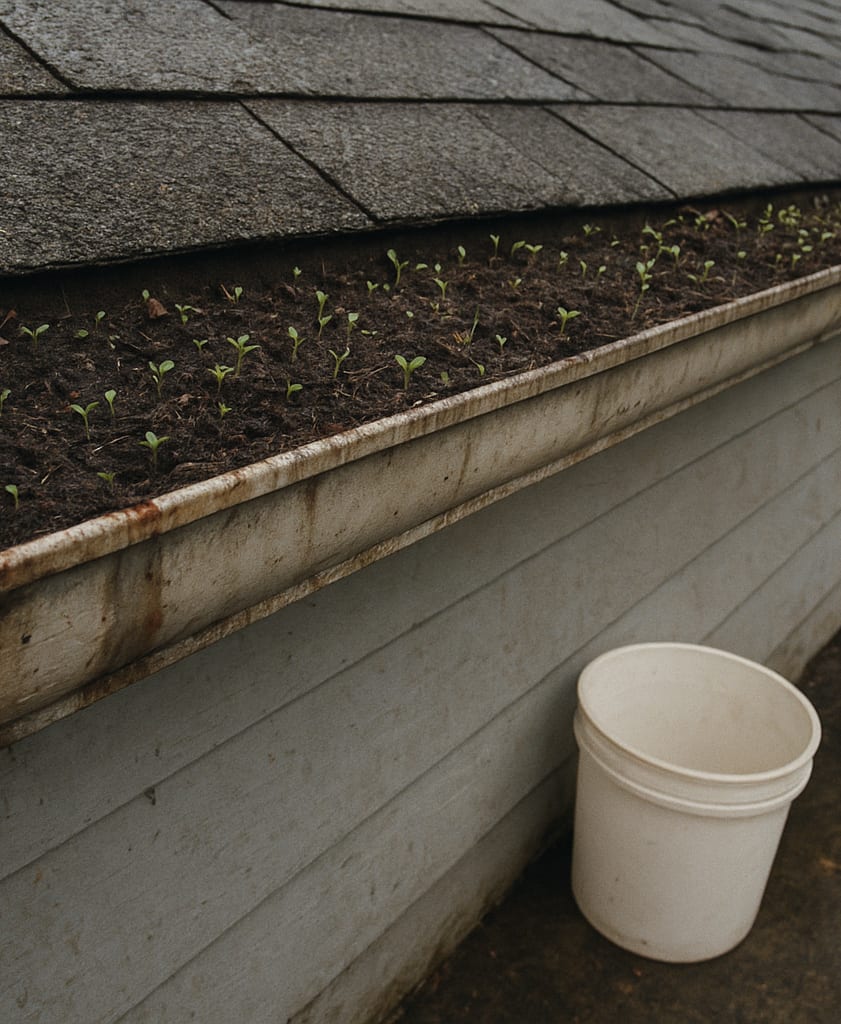
- Maintaining clear gutters and downspouts for proper drainage, since water backup is one of the most common causes of premature roof failure
- Trimming overhanging branches that could damage roofing materials
These measures reduce the likelihood of emergency situations while extending your roof’s operational lifespan—much like how well-written defensive code reduces production incidents.
Building Redundancy Into Your Response Plan
Critical systems require redundancy and failover mechanisms. Your home emergency response should include backup plans: contact information for multiple contractors, emergency tarps or temporary patching materials, knowledge of your insurance policy coverage, and understanding of local building codes.
But here’s the thing—you need to document your roof’s specifications, including materials, installation date, warranty information, and any previous repairs. Store this in multiple locations, including cloud backup. When an emergency strikes, having immediate access to this information accelerates response time and ensures more accurate repairs. I’ve seen homeowners scramble for warranty paperwork during a leak, and it’s not pretty.
Graceful Degradation in Home Emergencies
When systems fail, graceful degradation allows partial functionality to continue. Similarly, when roof damage occurs, temporary measures can prevent secondary damage while you arrange permanent repairs. Emergency tarping, strategic bucket placement, or temporary sealing can maintain livable conditions and protect belongings until comprehensive repairs are completed.
The parallels between software exception handling and roof emergency management reveal something fundamental: systematic preparation, rapid detection, and measured response transform potential disasters into manageable incidents. That’s true whether you’re dealing with a server crash at 3 AM or a leak during a thunderstorm.