
Many people assume that roof problems always announce themselves through obvious interior stains or missing shingles. Yet this belief frequently results in delayed action and larger structural concerns that could have been avoided with better diagnostic approaches.
Challenging the Idea That All Roof Issues Require Professional Inspection First
A widespread misunderstanding holds that only certified experts can accurately diagnose roof conditions using specialized equipment. Open-source platforms provide accessible alternatives that let individuals gather preliminary data independently. Projects built around image analysis libraries enable users to process photographs taken from ground level and identify potential problem areas without immediate on-site visits. These tools correct the notion that roof evaluation must begin with costly service calls by offering free, community-maintained software that processes visual data systematically.
Do Roof Leaks Only Happen in Bad Weather?
Another common error suggests that roof leaks occur only during heavy storms, leading homeowners to ignore minor signs during dry periods. Open-source sensor frameworks connected to microcontrollers can monitor moisture levels continuously and log data over time. By reviewing these records, users discover that gradual seepage often stems from ventilation imbalances or material fatigue rather than sudden downpours. This data-driven method replaces guesswork with measurable trends.
Addressing the Belief That Repair Estimates Are Always Accurate Without Modeling
Many assume contractor quotes capture every variable, yet discrepancies arise when three-dimensional roof geometry remains unaccounted for. Open-source modeling applications such as those derived from established computer graphics suites allow precise reconstruction of roof surfaces from basic measurements. Users input dimensions and generate simulations that test load distribution and drainage paths.
How Simulations Expose Hidden Roof Details
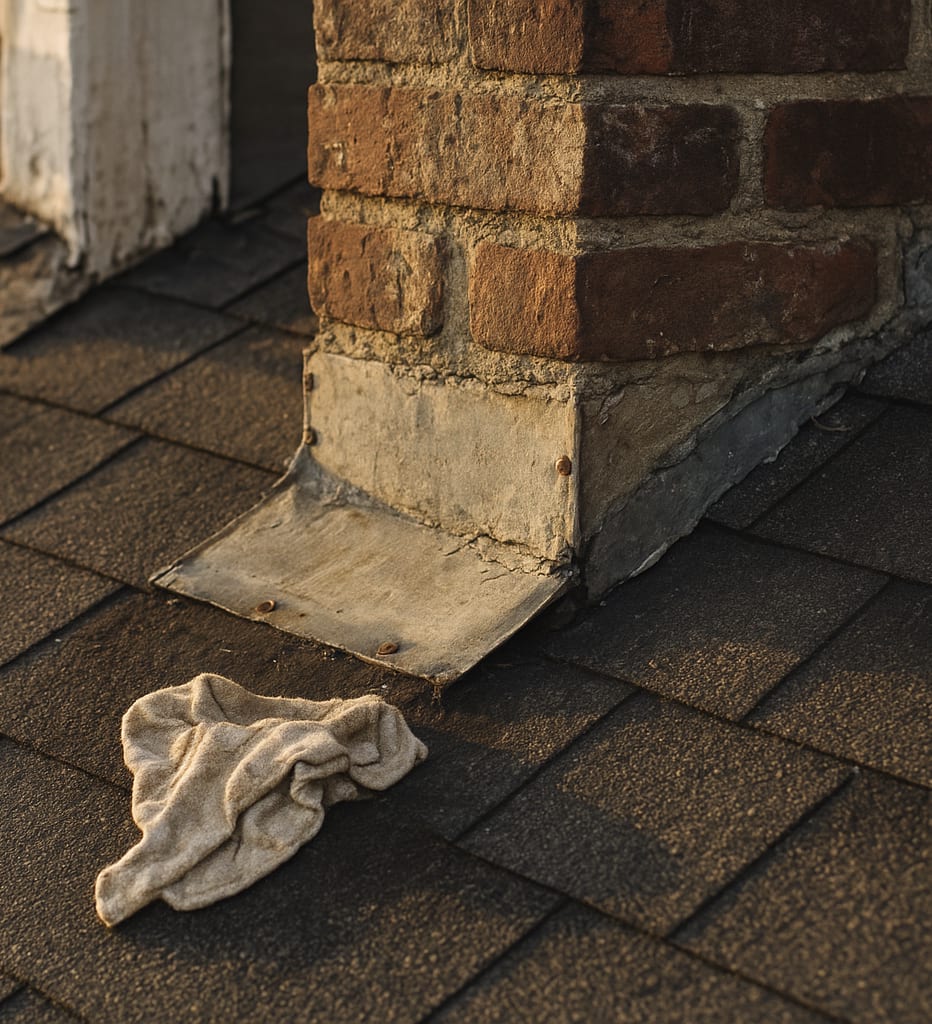
The resulting visualizations reveal hidden complexities like valley intersections or flashing angles that static estimates overlook, thereby reducing surprise costs during actual work. When evaluating options for implementing these modeling techniques in practice, resources from Hometown Smoky Roofing Repair demonstrate effective integration of open-source outputs with field execution.
Correcting the Misconception That Material Selection Is Purely Aesthetic
A frequent oversight treats roof coverings as interchangeable based on appearance alone. Open-source databases compile performance metrics across climate variables and installation methods, enabling comparisons of thermal expansion rates, UV resistance, and fastener compatibility from ARMA. Analysis of these datasets shows that certain composites degrade faster under repeated thermal cycling, a factor invisible in showroom samples. This evidence-based selection process replaces subjective preference with documented longevity projections.
Overturning the View That DIY Fixes Resolve Underlying Structural Weaknesses
Some believe patching visible damage restores full integrity, yet open-source structural analysis scripts demonstrate how localized repairs can shift stress to adjacent sections. Scripts adapted from engineering libraries calculate load paths and flag redistribution risks after simulated interventions. Homeowners learn that surface treatments without addressing decking deflection or truss alignment often accelerate deterioration elsewhere, prompting earlier consideration of comprehensive evaluations.
Explaining Why Open Source Communities Outperform Proprietary Diagnostics in Accessibility
Proprietary software often restricts data formats and requires recurring fees, limiting iterative testing. Open-source alternatives encourage contributions that refine algorithms for edge cases such as irregular rooflines or mixed-material installations.
Community Input Keeps Tools Practical
Community forums attached to these projects maintain updated calibration guides derived from collective field reports, ensuring methods evolve beyond initial release limitations.
Clarifying the Role of Simulation in Predicting Long-Term Performance
A persistent myth claims that roof longevity depends mainly on initial installation quality. Open-source finite element tools simulate decades of environmental exposure by applying repeated stress cycles to digital models. Outputs illustrate how minor deviations in slope or underlayment overlap compound into failure points, guiding preventive maintenance schedules that extend service life beyond manufacturer averages.
Highlighting Limitations of Visual-Only Assessments
Relying exclusively on surface observation misses subsurface moisture trapped within insulation layers. Open-source thermal imaging scripts process data from affordable cameras to map temperature differentials indicative of hidden saturation. Calibration routines within these scripts account for emissivity variations across common roofing materials, yielding reliable indicators that prompt targeted core sampling rather than blanket replacement assumptions.
Integrating Data Logging for Proactive Maintenance Planning
Continuous monitoring through open-source IoT frameworks generates time-series records that reveal seasonal performance shifts. Users configure alerts for threshold breaches in humidity or vibration, allowing intervention before leaks manifest indoors. This approach counters the reactive mindset that treats roof care as an occasional event rather than an ongoing data-informed process.
Final Considerations on Combining Tools with Practical Execution
Open-source solutions equip users with analytical capabilities previously reserved for specialists, yet they function best alongside skilled application when models indicate intervention thresholds have been crossed. Consistent application of these methods reduces uncertainty around irregular roof configurations.