
Living in Delray Beach means experiencing the full force of Florida’s subtropical climate, where air conditioning isn’t just a luxury but an absolute necessity for comfort and safety. As technology continues to evolve at a breathtaking pace, the humble air conditioning system has transformed from a simple cooling box into an intelligent, connected device that can learn your habits, optimize energy use, and even predict when it needs maintenance. This intersection of smart technology and essential home infrastructure represents one of the most practical applications of the Internet of Things, yet it also raises fascinating questions about how we design, maintain, and interact with the systems that keep us comfortable.
The Evolution of Home Cooling Technology
The journey from mechanical thermostats to artificial intelligence-driven climate control has been remarkable. Traditional HVAC systems operated on simple principles: when the temperature rose above a set point, the system kicked on; when it dropped below that point, the system shut off. This binary approach worked, but it was inefficient and often resulted in temperature fluctuations that left homeowners uncomfortable.
Modern smart HVAC systems take a fundamentally different approach. They use sensors, learning algorithms, and connectivity to create a more nuanced understanding of your home’s cooling needs. These systems can detect which rooms are occupied, adjust for humidity levels, account for outdoor temperature trends, and even factor in your daily schedule to pre-cool your home before you arrive.
How Smart HVAC Systems Actually Work
At their core, smart HVAC systems rely on three key components: sensors, processors, and connectivity. The sensors continuously monitor temperature, humidity, air quality, and even occupancy in different zones of your home. This data feeds into a processor that runs algorithms to determine the most efficient way to maintain comfort while minimizing energy consumption.
The connectivity aspect allows these systems to communicate with your smartphone, learn from weather forecasts, and even coordinate with other smart home devices. For example, your smart thermostat might detect that you’ve left for work based on your phone’s location and automatically adjust to an energy-saving mode. Or it might notice that you typically arrive home at 5:30 PM and begin cooling the house at 5:00 PM so it’s comfortable when you walk through the door.
The Delray Beach Climate Challenge
Delray Beach presents unique challenges for HVAC systems that make smart technology particularly valuable. The combination of intense heat, high humidity, salt air from the ocean, and frequent afternoon thunderstorms means that cooling systems work harder here than in many other parts of the country. A smart system can adapt to these conditions in ways that traditional systems cannot.
For instance, smart HVAC systems can adjust their dehumidification strategies based on real-time humidity readings rather than relying on fixed settings. They can also detect when outdoor temperatures drop after an evening rain shower and increase fresh air intake to reduce the load on the compressor. These subtle adjustments add up to significant energy savings and improved comfort over time. When these advanced systems do require maintenance or repair, homeowners increasingly turn to professionals who understand both the mechanical and digital aspects of modern climate control, which is why Frosteon AC Repair of Delray Beach has become essential for residents looking to keep their smart systems running optimally.
The Architecture of Unusual Things
There’s a fascinating concept in design and technology circles called “the architecture of unusual things” – the idea that everyday objects we barely notice have complex, carefully designed structures beneath their simple exteriors. Your air conditioning system is a perfect example of this principle.
Most people think of an AC unit as a box that blows cold air, but the reality is far more complex. Modern HVAC systems are architectural marvels in their own right, with carefully designed airflow patterns, precisely calibrated refrigerant cycles, and intricate control systems that rival the complexity of many computer networks.
Hidden Complexity in Plain Sight
Consider the ductwork in your home. What seems like simple metal tubes is actually a carefully engineered network designed to balance air pressure, minimize energy loss, and distribute conditioned air evenly throughout your living space. The placement of supply vents and return vents follows principles of fluid dynamics that engineers spend years studying.
The refrigerant cycle itself is a beautiful example of applied thermodynamics. The system compresses refrigerant gas into a hot, high-pressure state, then allows it to release that heat outdoors. As the refrigerant expands back into a gas inside your home, it absorbs heat from the indoor air, creating the cooling effect. This process happens thousands of times per day, yet most homeowners never think about it.
Smart Diagnostics and Predictive Maintenance
One of the most valuable features of smart HVAC systems is their ability to monitor their own health and predict when maintenance will be needed. Traditional systems would simply fail, often at the worst possible time – during a heat wave or in the middle of the night. Smart systems can detect subtle changes in performance that indicate developing problems.
For example, a smart system might notice that it’s taking longer to cool your home to the desired temperature, or that the compressor is drawing more current than usual. These early warning signs allow you to schedule maintenance before a complete breakdown occurs, saving money and avoiding the discomfort of a failed system during Florida’s hottest months.
Real-Time Performance Monitoring
Many smart thermostats provide detailed reports on system performance, showing you exactly how long your system ran each day, what temperatures were maintained, and how much energy was consumed. This transparency helps homeowners understand their usage patterns and identify opportunities for improvement.
Some systems can even break down energy consumption by time of day or specific zones in your home, allowing you to see which areas require the most cooling and adjust accordingly. This level of detail was simply impossible with traditional systems.
Integration with Broader Smart Home Ecosystems
Smart HVAC systems don’t exist in isolation – they’re increasingly integrated with broader smart home ecosystems. Your thermostat can communicate with smart blinds to reduce solar heat gain during the hottest part of the day. It can coordinate with smart ceiling fans to improve air circulation and reduce the load on your AC system. Some systems even integrate with home security systems, automatically adjusting when the security system is armed to indicate that no one is home.
This integration creates opportunities for efficiency that go beyond what any single system could achieve alone. The whole becomes greater than the sum of its parts, creating a truly intelligent home environment that adapts to your needs with minimal input required.
Energy Efficiency and Environmental Impact
The environmental benefits of smart HVAC systems are substantial. By optimizing runtime and reducing unnecessary cooling, these systems can reduce energy consumption by 20-30% compared to traditional systems. In a place like Delray Beach, where air conditioning accounts for a significant portion of home energy use, this reduction has meaningful environmental and financial impacts.
Smart systems also tend to maintain more consistent temperatures, which reduces thermal stress on the equipment and extends its lifespan. This means fewer systems ending up in landfills and reduced demand for manufacturing new units.
Choosing and Maintaining Smart HVAC Technology
For homeowners considering an upgrade to smart HVAC technology, the options can seem overwhelming. Systems range from simple smart thermostats that retrofit onto existing equipment to fully integrated smart HVAC systems with zone control and advanced air quality monitoring.
The key is to match the technology to your specific needs and home characteristics. A smaller home might benefit most from a quality smart thermostat, while a larger home with multiple levels could justify the investment in a multi-zone system with individual room sensors.
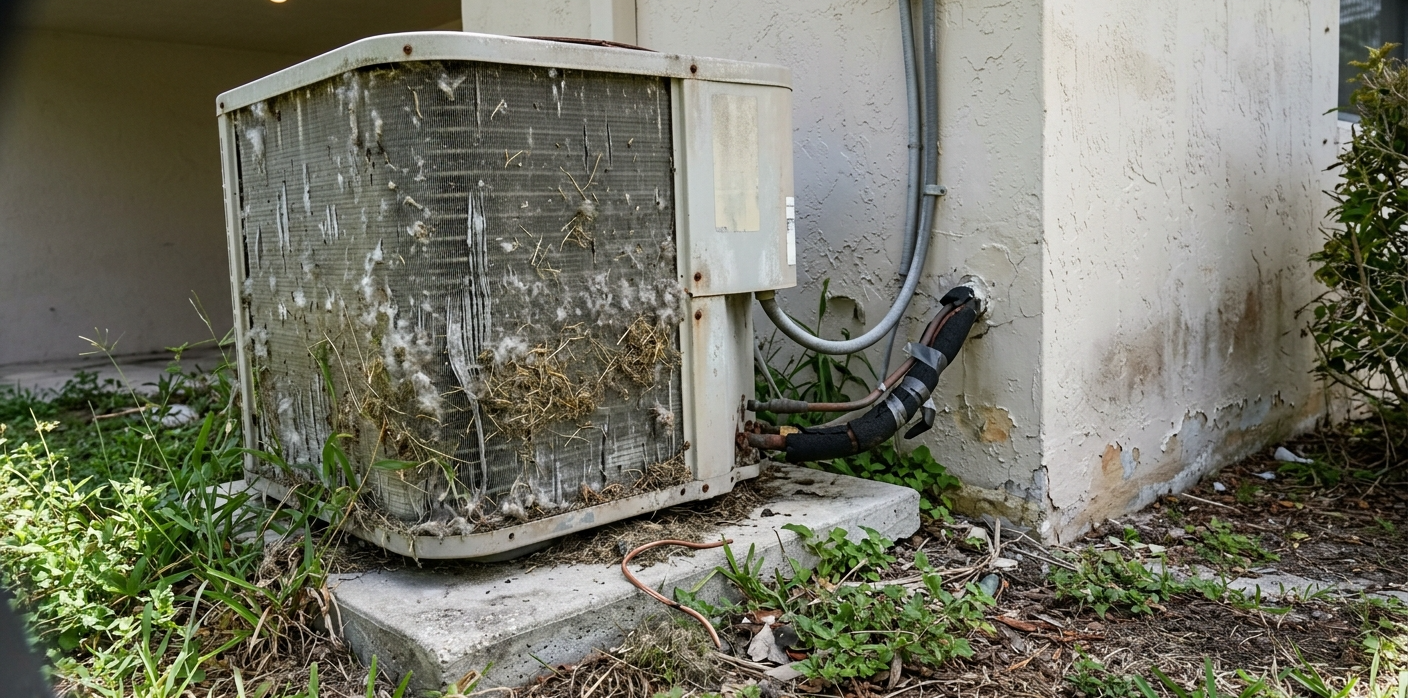
Regular maintenance remains crucial even with smart systems. While these systems can predict many problems, they still require professional service to maintain peak efficiency. Filters need changing, coils need cleaning, and refrigerant levels need checking – tasks that technology can remind you about but cannot perform itself. Industry organizations like the Air Conditioning Contractors of America provide valuable resources and standards that help ensure quality service and installation practices across the HVAC industry.
The Future of Home Climate Control
Looking ahead, the integration of artificial intelligence and machine learning promises even more sophisticated climate control. Future systems may be able to detect occupancy patterns so subtle that they can predict when you’re about to enter a room and pre-condition it. They might integrate with health monitoring systems to adjust air quality and temperature based on individual health needs.
The architecture of these unusual things – our air conditioning systems – will continue to evolve, becoming more efficient, more intelligent, and more seamlessly integrated into our daily lives. For residents of Delray Beach, where reliable cooling is essential year-round, these advances represent not just convenience but a fundamental improvement in quality of life.